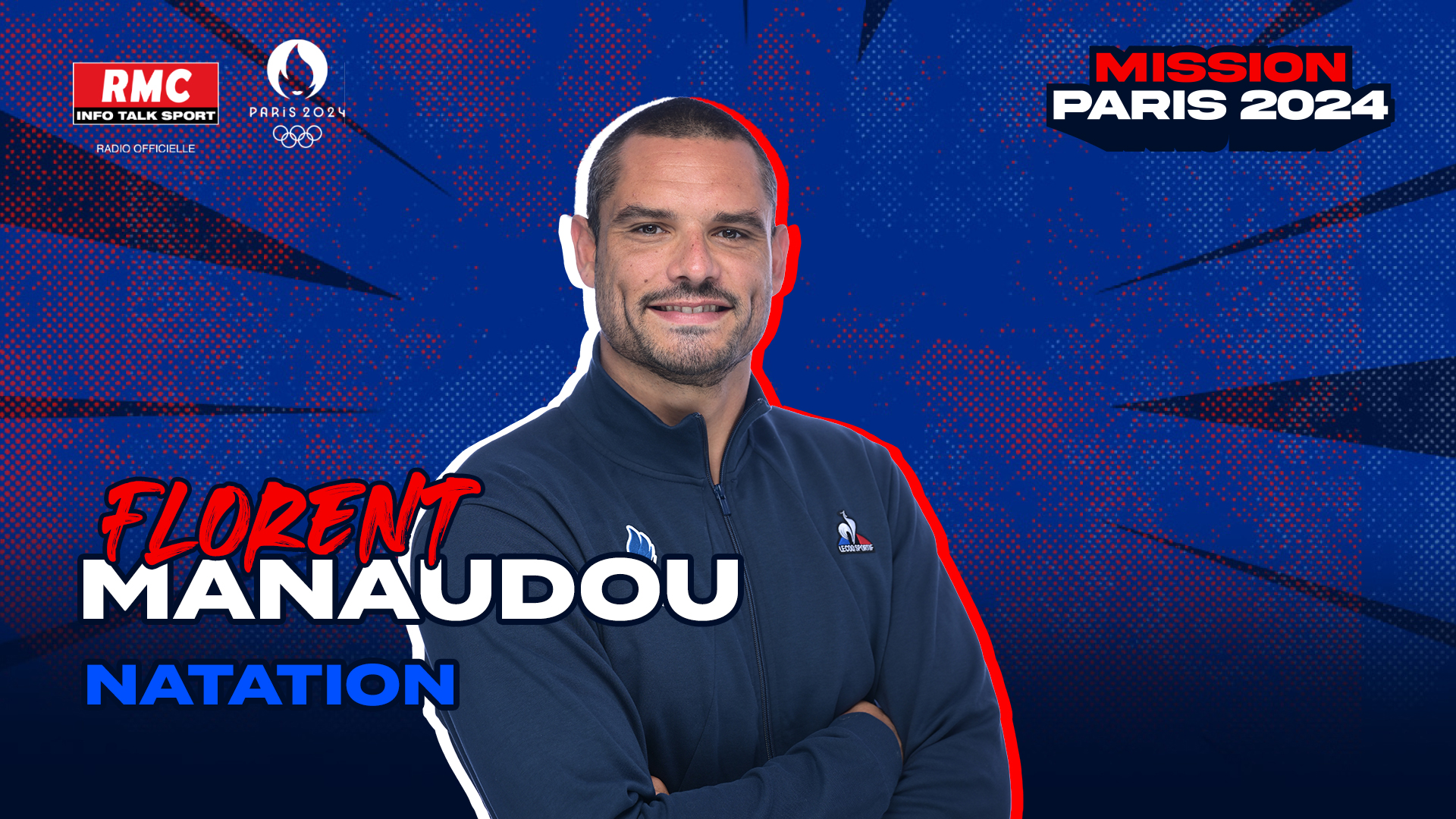
Florent Manaudou: The Power Behind Olympic Gold and Unprecedented Success
In the fiercely competitive world of elite swimming, few names resonate with the same blend of raw power and surprising grace as Florent Manaudou. The French sprint specialist has carved out a legendary career, marked by Olympic triumphs, world records, and an almost insatiable hunger for gold. Beyond his exceptional technique and mental fortitude, a critical element of his dominance lies in his carefully optimized physical attributes. Understanding Florent Manaudou Poids (weight) and his overall physical dimensions is key to appreciating the mechanics of his aquatic might.
Born on November 12, 1990, in Villeurbanne, Florent Manaudou quickly stepped out of the shadow of his celebrated elder sister, Olympic champion Laure Manaudou, to forge his own indelible legacy. As a specialist in freestyle events, primarily with the prestigious Cercle des Nageurs de Marseille, he has consistently pushed the boundaries of what's possible in the sprint lanes. This article delves into his illustrious career, exploring how his physical makeup has been instrumental in his journey from a promising talent to an Olympic icon.
The Physical Foundation of a Sprint Champion
For a sprint swimmer like Florent Manaudou, every aspect of his physique is a finely tuned instrument designed for maximum propulsion and minimal drag. While precise figures can fluctuate due to training cycles and competition phases, understanding Florent Manaudou Poids is crucial for appreciating his athletic build. Elite sprinters typically possess a unique combination of lean muscle mass, power, and an advantageous body composition that allows them to explode off the blocks and slice through the water with incredible efficiency.
Manaudou is renowned for his powerful, muscular build, characterized by broad shoulders and a robust frame – attributes vital for generating the immense force required in short-distance races. His physical dimensions are not just about raw strength; they are about applying that strength effectively. A swimmer's weight, in conjunction with their height and limb length, influences buoyancy, drag, and the leverage they can exert with each stroke and kick. This delicate balance is perfected through years of rigorous training and specialized nutrition. For more specific details on his measurements, you can refer to our dedicated articles: Florent Manaudou: Height, Weight, and Key Physical Stats and Florent Manaudou: Career Highlights & Personal Measurements.
The "broad shoulders" that allowed him to "support the weight of expectations" during his dominant run in Berlin are not merely metaphorical; they are a literal anatomical advantage that enhances his stroke power and stability in the water, directly benefiting from his optimized Florent Manaudou Poids and muscle distribution.
From Rising Star to Olympic Gold: The London Breakthrough
The year 2012 marked a pivotal moment in Florent Manaudou's career and the history of French swimming. At just twenty-two years old, he arrived at the London Olympic Games somewhat under the radar, especially considering he had yet to claim a national title in a long course championship. Yet, it was here, on the grandest stage, that he delivered a performance that stunned observers worldwide.
In the highly anticipated 50m freestyle final, Manaudou surged ahead of seasoned veterans and formidable competitors like American Cullen Jones and Brazilian César Cielo to claim the Olympic gold medal. This victory was not just a personal triumph; it cemented his place as the sixth French swimmer to win an individual Olympic gold. It was a testament to his raw talent, incredible power, and perhaps an underestimated physical prowess that allowed him to generate explosive speed when it mattered most. This unexpected win showcased his ability to perform under immense pressure, transforming him overnight from a promising contender into an Olympic champion and a household name.
Sustained Dominance: World and European Triumphs
Manaudou’s Olympic gold was not a flash in the pan but the prelude to a sustained period of dominance. In 2013, at the World Championships in Barcelona, he contributed significantly to France’s success, securing a gold medal in the 4 × 100 m freestyle relay alongside teammates Fabien Gilot, Jérémy Stravius, and Mehdy Metella. This demonstrated his capabilities not just as an individual powerhouse but also as a crucial part of a world-beating team.
However, it was 2014 that truly solidified his status as one of swimming's elite. The European Championships in Berlin became a personal showcase of his versatility and endurance. Despite beginning the week with anxieties about the pool and "impressions not good," Manaudou remarkably swept four gold medals: in the 50m and 100m freestyle, 50m butterfly, and the 4 × 100 m freestyle relay. His meticulous nature and focus allowed him to overcome initial frustrations, culminating in an awe-inspiring performance where he clinched his fourth gold in the 50m freestyle with a blistering 21.32 seconds – the best time of the year and seven hundredths faster than his rival César Cielo.
His impressive run continued later that year at the Short Course World Championships in Doha. Here, Manaudou elevated his legend, becoming the most decorated French swimmer in World Championship history, claiming a staggering six medals. This included setting two world records: 20.26 seconds in the 50m freestyle and 22.22 seconds in the 50m backstroke. These back-to-back performances highlighted his incredible recovery abilities, a physical attribute directly linked to his conditioning and how his Florent Manaudou Poids is managed to optimize both power output and fatigue resistance over multiple races.
The Interplay of Technique, Power, and Physicality
A swimmer's weight and overall build are not static figures but dynamic components of their performance equation. For Florent Manaudou, his competitive Florent Manaudou Poids is a carefully managed factor that allows him to maximize his power-to-weight ratio. In sprint swimming, mass can be an advantage for generating momentum, but excessive weight can also increase drag. Manaudou's physique strikes an optimal balance, allowing him to deliver explosive power from his strong core and powerful leg drive without being hindered by unnecessary bulk.
His training regimen undoubtedly focuses on strength and conditioning tailored to enhance this physical advantage. This includes targeted resistance training to build powerful muscles, plyometrics for explosive starts and turns, and rigorous swim workouts to hone his technique. The broad shoulders mentioned earlier are not just for show; they provide a larger surface area for pulling water, contributing significantly to his propulsive force. Furthermore, his exceptional ability to recover between races, as noted during his Berlin triumph, speaks volumes about his metabolic efficiency and the robustness of his physical conditioning. It's a holistic approach where his natural gifts are amplified by relentless dedication to physical perfection and technical mastery.
Practical Insight: For aspiring swimmers, understanding the balance Manaudou achieves is crucial. It’s not simply about being "heavy" or "light," but about having the *right* kind of mass – lean muscle that translates directly into speed and endurance without increasing drag. This involves a carefully designed nutrition plan and a diverse training regimen that builds strength, power, and cardiovascular fitness.
Beyond the Pool: A Legacy Defined by Strength
Florent Manaudou's journey is a testament to the power of dedication, talent, and meticulously honed physicality. From his early days as the younger brother of a swimming legend, he carved out his own unique path, eventually surpassing even the loftiest expectations. His Olympic gold in London at 21, followed by multiple World and European titles and world records, cemented his status as one of the most dominant sprint swimmers of his generation.
His story serves as an inspiration, showcasing how raw power, supported by optimal physical dimensions like his specific Florent Manaudou Poids and muscularity, combined with mental resilience and meticulous attention to detail, can lead to unprecedented success. He has not only added countless medals to France's tally but has also redefined the capabilities of a sprint swimmer, demonstrating that meticulous preparation and an unwavering will to win can overcome any challenge, even initial anxieties about the very pool he was set to dominate.
In conclusion, Florent Manaudou’s illustrious career is a fascinating study in athletic excellence. His achievements on the global stage, particularly his surprising Olympic gold in 2012 and his record-breaking performances in 2014, underscore the vital role played by his physical attributes. His optimized Florent Manaudou Poids, combined with immense power, superior recovery, and a relentless pursuit of perfection, formed the bedrock upon which his sprint dominance was built. He remains a towering figure in swimming, a true embodiment of Olympic prowess and physical might.